



Understanding the psychological triggers that drive gambling behaviors in casinos
The allure of unpredictability
The unpredictable nature of gambling is one of its most compelling aspects. Players are drawn to the thrill of not knowing the outcome, which taps into their desire for excitement and anticipation. This unpredictability heightens the adrenaline rush, making each spin of the slot machine or turn of the card feel like a mini thrill ride. Such excitement can create a psychological state known as “near misses,” where players feel they are close to winning, compelling them to keep playing in hopes of that elusive big win. To enhance this experience, you can explore the https://casino-pinup.ng/app/ for a comprehensive mobile gaming platform.
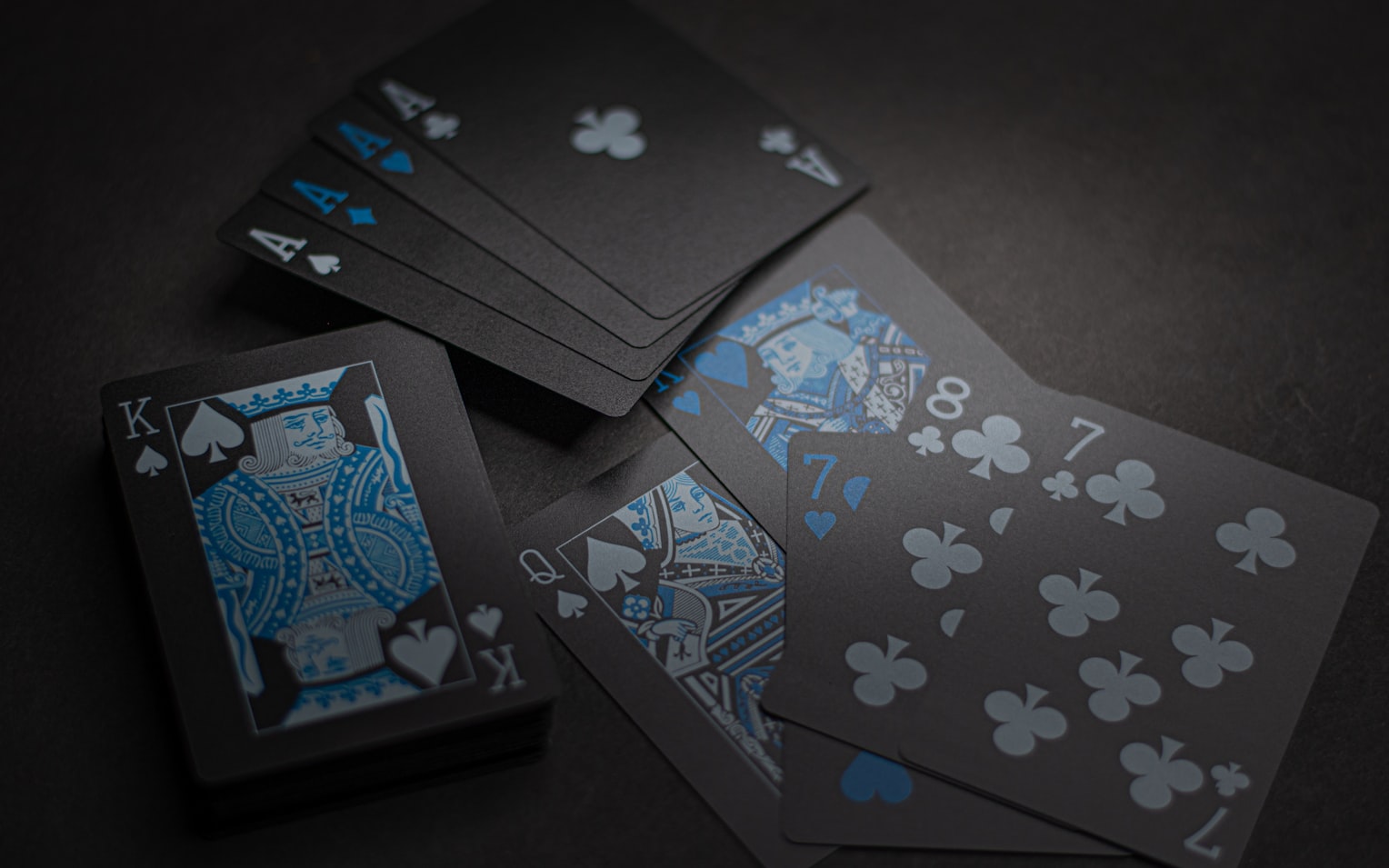
This unpredictable environment can also trigger the brain’s reward system, releasing dopamine, a neurotransmitter associated with pleasure and satisfaction. The anticipation of a win creates a euphoric state, further entrenching players in their gambling behaviors. Research indicates that individuals often seek out these experiences not just for potential monetary gain but for the sheer joy and thrill that the unpredictable nature of gambling provides. This cyclical reinforcement can make it incredibly difficult for individuals to break free from their gambling habits.
Moreover, the combination of unpredictability and the social atmosphere of casinos can amplify these psychological triggers. When players engage with others around them, they often experience heightened emotions and excitement, which can further reinforce their gambling behavior. Casinos cultivate an environment that thrives on social interactions, which can lead to a communal atmosphere where people feel encouraged to continue playing, often disregarding their own limits.
The impact of social influences
Social influences significantly shape gambling behaviors, especially in a casino environment. The presence of friends, family, or even strangers can enhance the allure of gambling. Many individuals are more likely to gamble when they are in a group setting, where peer pressure and the desire to fit in can encourage risk-taking behaviors. This social dynamic can sometimes create a sense of validation, where individuals feel that their choices are justified because others are participating as well.
Additionally, the social environment of casinos is often designed to create a sense of community. Engaging with fellow gamblers allows individuals to share stories, celebrate wins, and commiserate over losses, which can make the experience feel more rewarding. Such interactions can create a feedback loop where the shared experiences further encourage gambling, as players are motivated by both the social bonds formed and the collective excitement surrounding potential winnings. The stories of celebrity gamblers often add to this environment, shaping public perceptions and increasing interest in gambling.
Moreover, celebrity gamblers often play a significant role in influencing public perceptions of gambling. When celebrities publicly endorse or participate in gambling, it can create a glamorized image that many aspire to emulate. This can lead to increased participation among their fans or followers, who may believe that gambling is a pathway to wealth and excitement. The interplay between social influences and individual psychology makes casinos hotbeds for behavioral reinforcement, where the urge to gamble becomes more pronounced in a communal atmosphere.
The role of cognitive biases
Cognitive biases are mental shortcuts that can lead to flawed reasoning, and they play a significant role in gambling behaviors. One common bias is the “illusion of control,” where individuals believe they can influence the outcome of a game purely based on their actions, despite the game being based on chance. This perception can lead players to wager more than they normally would, convinced that their skills will yield success. This flawed reasoning contributes to the cyclical nature of gambling, where players continue to engage in behavior that may not be in their best interest.
Another prevalent cognitive bias in gambling is the “gambler’s fallacy,” the belief that past events can influence future outcomes. For instance, players may think that a slot machine is “due” for a win after a streak of losses, leading them to continue playing in hopes of an imminent jackpot. This fallacy can become a significant psychological trap, resulting in increased time and money spent in hopes of a payout that is unlikely to materialize. Such misconceptions can lead to extensive gambling sessions and contribute to problematic gambling behaviors.
Lastly, loss aversion is a cognitive bias where individuals prefer to avoid losses more than acquiring equivalent gains. In gambling, this can manifest in players chasing their losses, where they continue to gamble in an attempt to recover what they have already lost. This instinct can create a devastating cycle, resulting in increased financial strain and emotional distress, as individuals struggle to overcome the losses while remaining trapped in their gambling behaviors. Understanding these cognitive biases is critical for recognizing the psychological triggers that lead to persistent gambling habits.
The sensory environment of casinos
The physical environment of casinos plays a crucial role in stimulating gambling behaviors. The use of bright lights, vibrant colors, and sounds of chimes and bells creates a sensory-rich atmosphere designed to captivate and engage players. These elements are not just for aesthetic appeal; they serve to immerse individuals in a thrilling experience that often blurs the line between reality and excitement. Such sensory stimulation can trigger emotional responses, keeping players engaged for extended periods.
Furthermore, the layout of casinos is meticulously planned to encourage exploration and prolonged play. The strategic placement of games and machines, along with the absence of clocks and windows, creates a disorienting effect, making it challenging for players to track time or consider the financial implications of their gambling. This intentional design fosters an environment where players may lose themselves in the excitement of the moment, unaware of the consequences of their actions.
Moreover, casinos often employ the use of enticing scents and comfortable seating to enhance the overall experience. Research suggests that pleasant smells can evoke positive emotions, which can further encourage players to stay and continue gambling. This multi-sensory environment is engineered to create an atmosphere that is not only engaging but also conducive to spending more time and money. By understanding these environmental cues, individuals can better grasp how their surroundings can significantly influence their gambling behaviors.
Exploring responsible gaming in digital platforms
As the gambling landscape expands with online platforms, it becomes essential to address the psychological triggers within these digital environments. Mobile applications, such as the Pin-Up App, offer convenient access to various games but can also heighten impulsivity due to their accessibility. Players may find themselves gambling more frequently and for extended periods, which can exacerbate pre-existing issues related to impulsivity and addiction. Understanding these triggers is vital for promoting responsible gaming behaviors.
Moreover, the seamless integration of bonuses and promotions in digital gambling platforms can create additional pressure to play. These incentives, while enticing, can lead players to chase rewards that may not ultimately benefit their overall experience. Online platforms must implement responsible gambling measures, such as deposit limits and self-exclusion options, to help mitigate these psychological triggers and promote healthier gaming habits.
Education about the psychological aspects of gambling is key to fostering an environment that prioritizes player well-being. Users need to be aware of the potential pitfalls associated with impulsive gambling behaviors and should be encouraged to engage in self-reflection regarding their gaming habits. By understanding the psychological triggers that drive their behaviors, players can make more informed choices and develop a healthier relationship with gambling in both physical casinos and online platforms.